
Why Are My Nicotine Pouches Yellow? Reasons For Color Differences
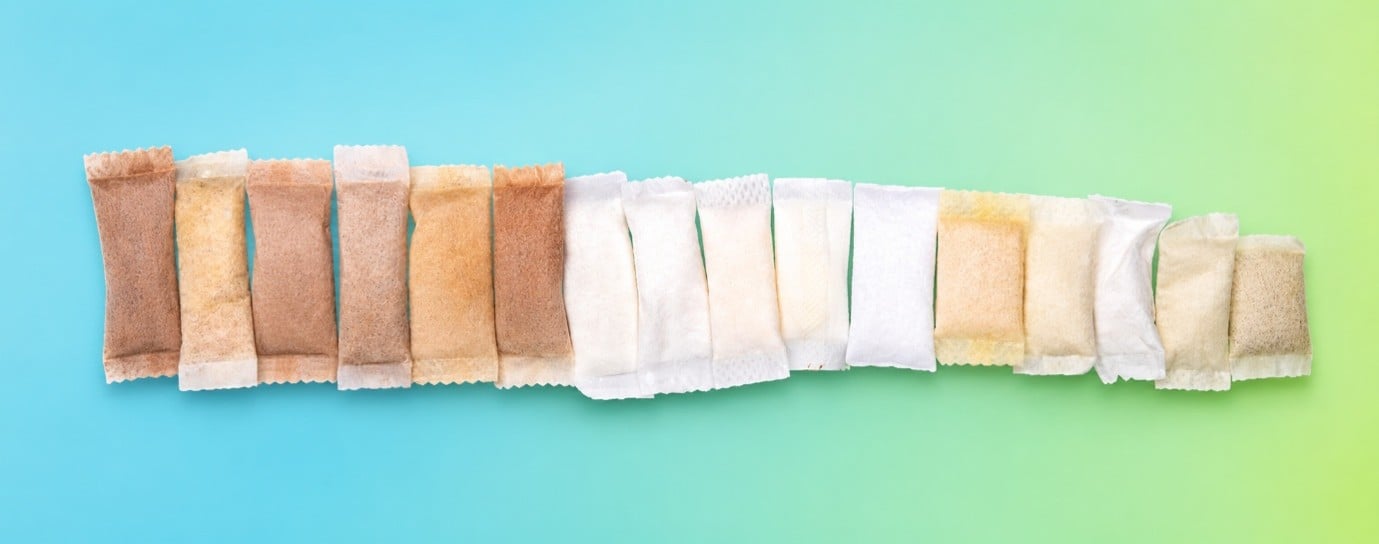
Nicotine pouches are often white, but some look yellowish or brownish. Here is what the research says about ingredients, flavoring compounds, and storage.
- Ingredients, flavoring compounds, and chemical changes during storage may all influence pouch color.
- Methyl salicylate, a wintergreen flavoring compound, can naturally range from colorless to yellowish.
- Laboratory research shows isolated nicotine can oxidize and turn yellow or brown, but this does not necessarily describe finished pouches.
- Color alone cannot tell you if a pouch is expired. Check the information on the can and always store pouches as directed.
Have you ever noticed color differences between cans of the same product, even when the brand and flavor are identical?
Several factors may contribute, including the ingredients used, the characteristics of flavoring compounds, batch differences, and chemical changes that can occur during storage. However, appearance alone cannot establish why a particular product has changed color.
What Gives Nicotine Pouches Their Color?
Nicotine pouches typically contain nicotine, flavorings, fillers, moisture-regulating ingredients, and other components that help maintain the product's physical characteristics.
The ingredients used in a formulation can influence its appearance. While many nicotine pouches are manufactured to have a white appearance, not every ingredient used in their production is necessarily colorless.
Some flavoring ingredients, for example, may naturally have a slight yellow tint.
Why Do My Wintergreen Nicotine Pouches Look Yellow?
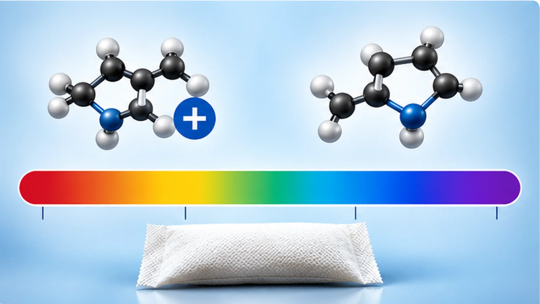
One possible explanation is the chemistry of wintergreen flavoring.
Wintergreen flavoring commonly contains methyl salicylate, a compound responsible for its characteristic flavor and aroma.
Methyl salicylate can naturally range from colorless to yellowish. This characteristic is documented by the United States Pharmacopeia in its Food Chemicals Codex.
Scientific research has also identified methyl salicylate in commercially available nicotine pouches. A study published in Nicotine & Tobacco Research examined nicotine and selected flavoring compounds in oral pouch products, including wintergreen varieties.
The natural appearance of methyl salicylate provides one explanation for yellowish coloration in wintergreen products. However, this does not establish that methyl salicylate is responsible for discoloration in any particular pouch.
Can Nicotine Pouches Change Color Over Time?
Some chemical compounds can change when exposed to environmental conditions such as oxygen, light, and temperature.
Nicotine itself is one example. Laboratory research has demonstrated that nicotine can react with oxygen, accompanied by a change from colorless to yellow or brown.
This phenomenon has been documented in studies of nicotine chemistry, including research published in Tobacco Science.
However, findings involving isolated nicotine do not necessarily describe what happens in a finished nicotine pouch. The extent to which storage-related chemical changes affect pouch appearance depends on the formulation and storage conditions.
A change in color does not, by itself, identify which chemical reaction has occurred.
Why Might Pouches Look Different Between Batches?
Nicotine pouches are manufactured using multiple ingredients, including flavoring blends that may contain several individual compounds.
Differences in the characteristics of raw materials, formulation, manufacturing conditions, or storage history could potentially contribute to variations in appearance.
For example, a flavoring ingredient that naturally ranges from colorless to yellowish might contribute differently to the appearance of a finished product depending on its concentration and interaction with other ingredients.
What About Brown Spots or Uneven Discoloration?
Not all color differences have the same appearance or necessarily the same cause.
A uniform yellowish tint may have a different explanation from isolated brown spots, dark patches, or discoloration concentrated around the edges of a pouch.
The pouch material, filler, flavoring ingredients, and manufacturing process may all be relevant when investigating an unusual appearance.
It is not possible to determine the cause of a spot or stain from its color alone.
Questions About How Your Nicotine Pouches Look?
If you open a can and notice that the pouches look different from previous purchases, Nicokick customer service is always here to help.
It can be helpful to provide:
- Your order number
- The batch or lot number
- Photos showing the difference in appearance
- Information about when the product was purchased
FAQs From Reddit
- Many people report seeing yellowish pouches, particularly in flavored products. Because some flavoring ingredients can naturally range from colorless to yellowish, a tint may relate to the formulation. Still, color alone cannot confirm the cause in any particular can.
- In laboratory research, isolated nicotine has been shown to oxidize and change from colorless to yellow or brown. However, those findings do not necessarily describe finished pouches, and a color change does not identify which chemical reaction has occurred.
- Some chemical compounds can change when exposed to oxygen, light, and temperature, so storage and transport conditions may play a role. How much they affect a finished pouch depends on the formulation and the conditions. Storing pouches as directed on the can is the best approach.
- Flavoring blends, fillers, and the pouch material can all differ between products and flavors, and these differences may influence appearance.
- Appearance alone cannot tell you whether a pouch is suitable to use, and this article cannot make safety claims, especially for products we do not sell. Check the information printed on the can, store pouches as directed, and contact customer service if something purchased on Nicokick looks unusual.
The Bottom Line
The color of nicotine pouches can be influenced by several factors, including their ingredients and chemical changes that may occur during storage.
However, the presence of a particular ingredient does not establish the cause of discoloration in an individual product.
Important Disclaimer: This article is provided for informational and advertising purposes only. It does not make any claim that nicotine pouches are safe, safer than cigarettes or other tobacco products, or effective for smoking cessation. Any reduced-risk or modified-risk claim would require separate authorization from the U.S. Food and Drug Administration for the specific product.
Nicotine is addictive and intended only for adults age 21 and over who currently use tobacco or nicotine. Adults considering changes to their tobacco or nicotine use should consult a qualified healthcare professional.