



New Scientific Publication: How Nicotine Pouches Are Changing the Game for American Adults
Key Takeaways
- Nicotine pouches are gaining traction as an alternative to cigarettes and smokeless tobacco among American adults.
- This 10-week study showed that the percentage of participants using both nicotine pouches and cigarettes or moist snuff dropped by about half over 10 weeks.
- Nearly two-thirds of study participants used only nicotine pouches by the end of the study.
- Among the top reasons for switching: Reducing or quitting smoking, convenience, flavor variety, and perceived lower harm.
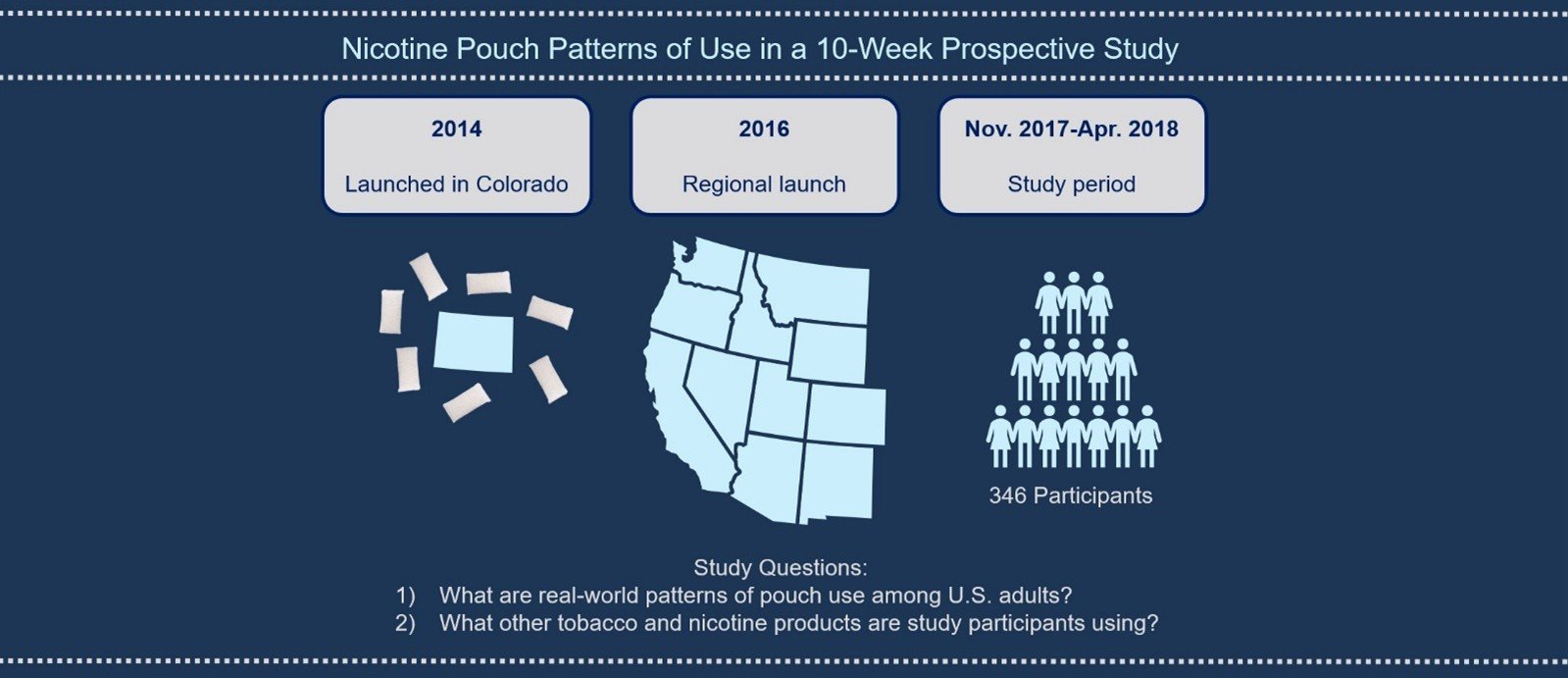
A study recently published in the journal Cureus sheds light onto why some adults in the U.S. are using nicotine pouches. Conducted in 2017-18 when they were still new to the market, this study followed 346 adult participants who used ZYN™ nicotine pouches (NP-Z). For 10 weeks, each person tracked their daily habits and provided their motivations for using NP-Z, allowing researchers to take a peek at how they transitioned away from traditional tobacco and nicotine products.
What Makes This Study Stand Out?
This is one of the earliest and most detailed looks at how nicotine pouches fit into the lives of American adults. Unlike lab-based trials, this study tracked real-world behavior, capturing the choices and transitions of early adopters.
Main Findings: More Than Just a Trend
- Switching away from cigarettes and smokeless tobacco: The proportion of participants who used both pouches and cigarettes at least once a week dropped by nearly half—from 15.9% at the start to 8.1% by week 10. Among those who used both pouches and moist snuff, dual use also halved. By the end of the study, almost a quarter of dual users had switched to using only pouches.
- Exclusive NP-Z use increased: The share of participants using only pouches rose from 50% to nearly 66% over the 10 weeks, while dual- and poly-use declined. This suggests that nicotine pouches are not just an add-on—they became a preferred alternative.
- Motivation to quit smoking: Participants who smoked at the time of the study expressed a desire to quit. In contrast, motivation to quit NP-Z was lower, indicating that the participants viewed see pouches as a less harmful, more acceptable option.
- Why participants chose nicotine pouches: Among the top reasons were to reduce or quit smoking, ease of use, and the ability to use pouches in places where other products aren’t allowed. Flavor variety and the perception of reduced harm also featured prominently.
Limitations and What's Next
The research described in this study found that many adults who started using nicotine pouches gradually reduced their use of cigarettes and smokeless tobacco. Other studies have seen similar patterns, but it’s still unclear if these changes last over time, especially when nicotine pouches aren’t provided for free (they were not in the study highlighted here).
Since this study was conducted in 2017-18, the way Americans use tobacco and nicotine products has changed a lot. Fewer adults are smoking cigarettes, and more are trying newer products like e-cigarettes and nicotine pouches. However, there’s still not much national data on how people use nicotine pouches—most large surveys only started asking about them in the last few years.
Other studies show that nicotine pouch use is still relatively uncommon, but it’s more popular among US military personnel and adults who already use other tobacco products, especially white males. This matches the group of people who took part in this study.
To really understand how nicotine pouches are being used—and whether they’re helping people move away from more harmful products—we need more detailed, long-term data from longitudinal real-world studies and national surveys. This will help inform public health strategies and harm reduction efforts.
Bottom Line
The study described here focused on early adopters—who were mostly white, male, and established nicotine pouch users—so the results do not reflect the broader U.S. population. The data are descriptive, and future research should use more robust statistical methods and include more diverse groups. Ongoing long-term work like the ARISE Study will be important to understand how pouches can help adults quit smoking. Still, the downward trend in cigarette and smokeless tobacco use, even among established pouch users, is a promising sign.
For many American adults, nicotine pouches are a practical, satisfying, and potentially less harmful alternative to cigarettes and smokeless tobacco. As more data emerge, nicotine pouches could help meaningfully reduce smoking prevalence in the U.S.
The study suggests that many adults transition to exclusive nicotine pouch use through gradual reduction of other products. My own experience mirrored this pattern: switching to pouches was a stepwise process that eventually became my default.
*Employed by Philip Morris Products S.A. when the manuscript was written, currently employed by Snusbolaget AB, a subsidiary of Haypp Group.
Disclaimer: This article is provided for informational purposes only and does not constitute an endorsement or recommendation of nicotine pouches as a safer alternative to cigarettes or other tobacco products. The author does not make any representation or warranty regarding the relative safety, risk, or health impacts of nicotine pouches compared to cigarettes or other tobacco products. Furthermore, no claim is made as to the efficacy of nicotine pouches as a smoking cessation aid. The U.S. Food and Drug Administration (FDA) has not approved nicotine pouches for use as a cessation tool, and scientific research on the short- and long-term health effects of nicotine pouch use is ongoing. Readers should consult with qualified health professionals regarding tobacco and nicotine use and cessation methods.